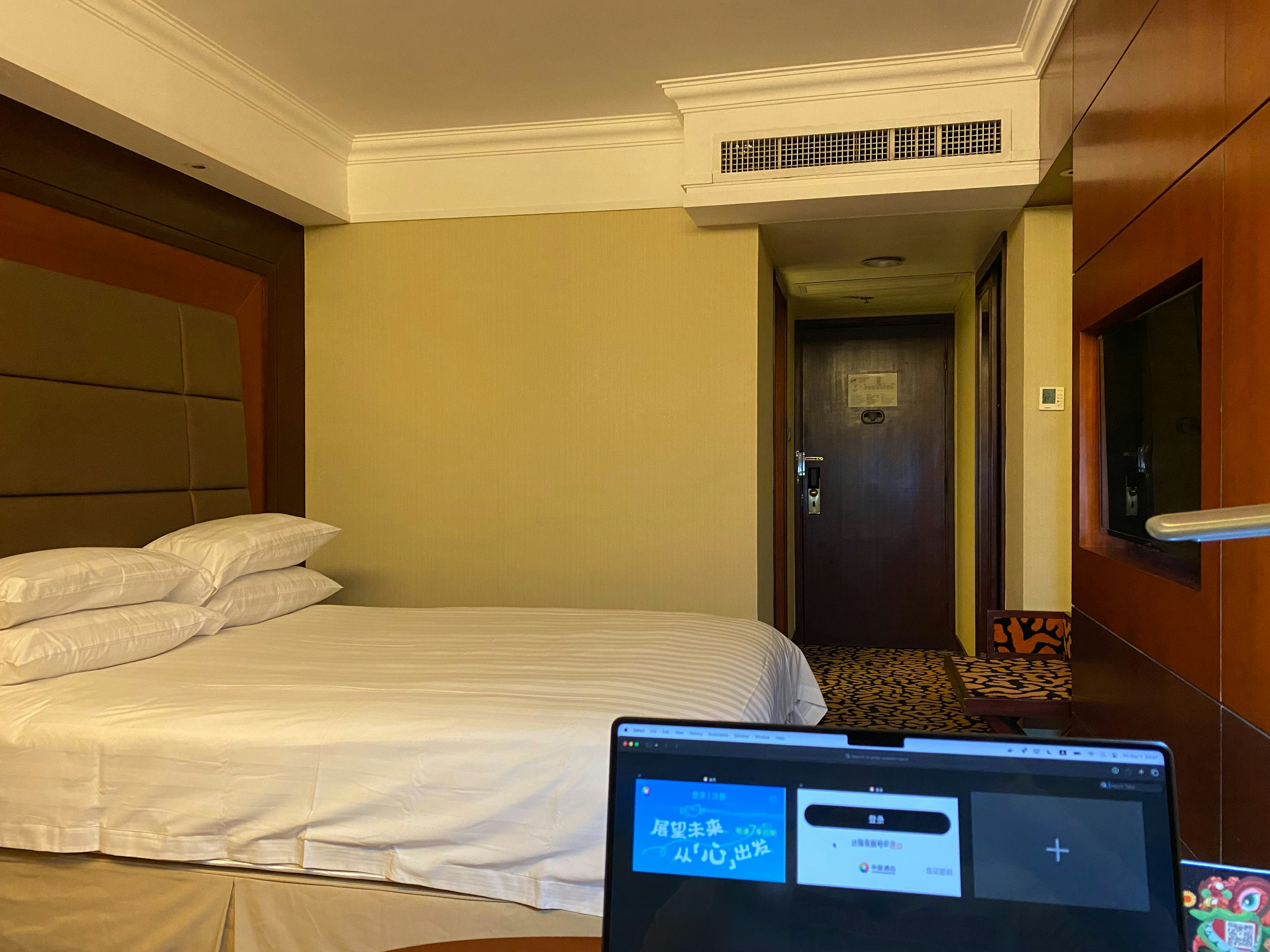
Understanding the Importance of Premium WiFi for Work Trips
In today’s digital landscape, reliable and high-speed WiFi has become essential for business travelers. The nature of work has evolved significantly, with an increasing reliance on online tools and communication platforms. Hotels that provide premium WiFi enable business professionals to perform critical tasks seamlessly, which is indispensable during work trips. One of the primary work-related activities that necessitate strong internet connectivity is video conferencing. In meetings where face-to-face interaction is not possible, high-quality video and audio streams are crucial for effective communication. Premium WiFi facilitates clear, uninterrupted video calls, ensuring that all participants can engage and contribute without technical frustrations.
Another vital task that often requires robust internet connectivity is the transfer of large files. Business travelers frequently juggle multiple projects that involve sending and receiving extensive documents, presentations, or multimedia files. Without adequate bandwidth, these uploads and downloads can be sluggish or fail altogether, leading to delays and unnecessary stress. Such interruptions not only hinder productivity but can also jeopardize deadlines and overall project success.
Remote collaboration has become the norm, with teams often dispersed across various locations. Tools such as shared documents, project management software, and collaboration platforms require a stable internet connection to function effectively. Premium WiFi allows for real-time updates and communication, fostering a collaborative environment irrespective of physical presence. Moreover, when employees experience high-speed connectivity, their ability to focus and remain productive increases significantly, positively impacting their work performance during trips.
In summary, the significance of premium WiFi during work trips cannot be overstated. Ensuring consistent, high-quality internet connectivity is essential for video conferencing, large file management, and effective remote collaboration. When business travelers have access to superior WiFi, they can work more efficiently, enhancing their overall productivity and contributing to the success of their endeavors.
Factors to Consider When Looking for Hotels with WiFi
When searching for hotels that offer premium WiFi, several key factors should be considered to ensure a productive work trip. The first aspect to evaluate is the speed of the internet connection. Different hotels may advertise WiFi service, but the actual speed can significantly affect your ability to work efficiently. It is advisable to check reviews or inquire directly with the hotel about their internet speeds, particularly during peak hours, to gauge reliability.
Another critical element is the availability of WiFi in guest rooms versus common areas. Many hotels provide free WiFi in lobbies or during certain hours, but this can be insufficient for guests needing uninterrupted access for tasks requiring focus and concentration. Ensuring the WiFi coverage extends to all areas where you might work, including your room, is vital for maintaining productivity. This is particularly important in upscale or business-focused hotels that cater to professionals.
Additionally, be aware of any data caps that may be enforced on the WiFi service provided. Some hotels may impose limits on bandwidth usage, which can hinder extensive activities such as video conferencing or uploading large files. Understanding these limitations ahead of time can save you from unexpected disruptions during your stay.
It is also vital to prioritize WiFi over other hotel amenities depending on your specific needs. For business travelers, high-quality internet access may take precedence over dining options, recreational facilities, or even room size. By clearly defining your requirements, you can streamline your search and focus on establishments that are tailored to facilitate a seamless work experience.
Researching Hotels: Tools and Resources Available
When embarking on business travel, ensuring access to premium WiFi is essential for maintaining productivity. Fortunately, numerous tools and resources are available to assist travelers in identifying hotels that prioritize robust internet connectivity. Travel booking websites like Expedia, Booking.com, and Hotels.com typically feature customizable filters where users can specify “WiFi” among other amenities. This functionality allows travelers to generate lists of properties that meet their connectivity needs.
Review platforms such as TripAdvisor and Google Reviews provide valuable insights from previous guests regarding their experiences with hotel WiFi. These reviews often include comments on speed, reliability, and the overall quality of the internet service, thus aiding prospective guests in making informed decisions. Additionally, some hotels directly engage with reviewers, addressing complaints or highlighting improvements in their WiFi services, further enhancing transparency.
Specialized apps like HotelTonight and Airbnb can also be beneficial for last-minute bookings, enabling users to filter options that include premium internet access. These mobile applications often provide a user-friendly interface and instant booking features that cater to the needs of business travelers seeking efficient solutions. However, while these platforms streamline the booking process, they may have limitations regarding the breadth of WiFi reviews compared to more established travel websites.
The choice of platform comes with its pros and cons. Booking websites often showcase a wider array of accommodations and competitive rates, while review platforms offer firsthand accounts of connectivity quality. Specialized apps can deliver speed and convenience but might lack comprehensive information on the WiFi capabilities of all listed properties. Combining insights from these various tools can enhance the search for hotels that provide premium WiFi, ensuring a productive work trip.
Checking Guest Reviews and Feedback
When evaluating hotels for productive work trips, particularly regarding WiFi service, analyzing guest reviews is critical. Numerous platforms, such as TripAdvisor, Booking.com, and Google Reviews, provide valuable insights from previous guests. Reviews often highlight specific experiences related to internet speed, reliability, and the hotel’s responsiveness to WiFi issues.
To effectively assess feedback, start by filtering reviews that directly mention WiFi. This targeted approach allows for a focused examination of the hotel’s internet capabilities. Look for mentions of download and upload speeds, as guests frequently share their experiences regarding how well the WiFi meets work-related demands. Positive comments on high-speed connectivity can indicate that the hotel is equipped to handle business activities, while consistent complaints about slow or unreliable service can signify potential problems.
In addition to speed, it is also important to consider the reliability of the WiFi service. Authentic reviews often provide context about how the internet performs during peak hours, which is vital for anyone requiring uninterrupted access for video calls or large file uploads. A hotel that boasts a strong, consistent connection can notably improve productivity for work trips.
Furthermore, pay attention to the hotel’s customer service regarding WiFi issues. Guest feedback may reveal how responsive and helpful the staff are when guests encounter connectivity problems. For instance, positive comments about quick resolutions and proactive support are indicators of a hotel that values its guests’ productivity.
To identify authentic comments, look for detailed responses and well-rounded reviews. Reviews that include specific examples or experiences often carry more weight than vague statements. Checking for the overall consistency of the feedback across different platforms will also help in validating the authenticity of the comments regarding the WiFi service.
Inquiring Directly with Hotels: What to Ask
When seeking accommodations for a productive work trip, directly inquiring about the WiFi services at potential hotels is essential. This dialogue not only establishes the standards you expect but also provides insight into the hotel’s commitment to business travelers. Here are key questions to consider when contacting hotels.
Firstly, it is prudent to ask about the speed of their WiFi connection. Reliable and fast internet connectivity is paramount for any professional endeavor, and knowing the Mbps (megabits per second) can be very telling. You might also want to clarify whether this speed is consistent throughout the hotel or limited to specific areas. Furthermore, it could be beneficial to ask if the hotel offers different connection options, such as wired Ethernet connections, which often provide greater stability and speed compared to wireless connections.
Next, inquire about security measures implemented by the hotel. Data security can often be overlooked, but it is particularly critical when handling sensitive information while on business trips. Ask what protocols are in place to protect guests from potential breaches, such as firewalls, encrypted connections, and VPN recommendations.
It is also vital to understand the hotel’s policies in the event of WiFi service interruptions. Ascertain if they have emergency procedures to quickly resolve connectivity issues and whether there are alternative options, which can be crucial during important virtual meetings or deadlines.
Finally, be sure to discuss potential upgrades tailored for business travelers. Some hotels provide enhanced service packages that include premium internet access, dedicated business center facilities, or even access to conference rooms. These offerings can significantly enhance your work experience and productivity during your stay.
Understanding WiFi Packages and Pricing
When selecting a hotel for a work trip, understanding WiFi packages and pricing can significantly impact your productivity. Hotels typically offer various WiFi access options, categorized into free and paid services. Typically, free WiFi may be available in common areas, such as the lobby or café, but it often comes with limitations like speed or bandwidth restrictions. Conversely, paid WiFi packages promise better reliability and enhanced speeds, making them a crucial consideration for business travelers.
Paid access can vary widely in cost, depending on the hotel’s policies. Some establishments charge a daily fee, while others may have tiered pricing based on the expected usage, such as basic, premium, and luxury. A basic plan might offer sufficient speed for web browsing, while premium options are tailored for heavier tasks like video conferencing or large file transfers. When deciding on a WiFi package, consider your specific needs and how they align with the pricing models offered.
Moreover, travelers should not hesitate to negotiate for complimentary access. Many hotels offer loyalty programs or corporate rates that ease access to WiFi at no extra cost. In some instances, simply inquiring with the front desk or booking directly could yield benefits, such as upgraded service without additional fees.
Lastly, it is vital to read the finer print regarding WiFi terms of service. Some hotels may implement data caps, throttle speeds after a certain threshold, or allow a limited number of devices to connect simultaneously. Understanding these terms can prevent unexpected fees or disruptions during your stay. Overall, being aware of the various WiFi packages and pricing structures is essential to ensure a productive work trip.
Evaluating Alternative Accommodations
In today’s digital landscape, the choice of accommodation plays a critical role in ensuring a productive work trip. While traditional hotels often come to mind, there are numerous alternative lodging options that cater to the needs of modern travelers requiring reliable WiFi access. Exploring vacation rentals, serviced apartments, and co-working space affiliated lodgings can yield viable solutions for those looking to maintain productivity while traveling.
Vacation rentals, often found on platforms like Airbnb and Vrbo, provide a homely atmosphere that can enhance comfort during a work trip. Many hosts recognize the importance of connectivity and offer premium WiFi as a highlighted feature in their listings. While these rentals can provide a more spacious and personalized environment, travelers should consider the variability in internet quality and connection speeds. Conducting thorough research and reading guest reviews is crucial to ascertain the reliability of their internet service.
Another compelling option is serviced apartments, which combine the convenience of a hotel with the comforts of home. These apartments typically include amenities such as kitchen facilities and dedicated workspaces. They often target business travelers and, as such, are more likely to offer high-speed internet as an essential service. One advantage of this type of accommodation is the consistent quality of service, as many serviced apartment providers maintain strict standards across their properties.
Co-working space affiliated lodgings, an emerging phenomenon in urban centers, also deserve attention. These establishments not only offer comfortable living arrangements but also access to shared workspaces equipped with robust WiFi. This setup encourages networking and collaboration among like-minded professionals. However, potential guests should evaluate the balance between community engagement and the need for privacy and quiet, which can impact productivity.
In conclusion, evaluating alternative accommodations presents a variety of advantageous options for business travelers requiring premium WiFi. By considering vacation rentals, serviced apartments, and co-working space affiliated lodgings, individuals can make informed choices tailored to their specific work needs and preferences.
Tips for Testing WiFi Upon Check-In
The quality of WiFi is essential for productivity during work trips, so testing the connectivity as soon as you check into your hotel is a prudent step. To ensure that the WiFi meets your requirements, consider utilizing speed test applications available on mobile devices or laptops. Popular options such as Ookla’s Speedtest or Fast.com can provide quick insights into download and upload speeds, latency, and overall reliability. Before diving into your work, run a speed test in your hotel room to gauge the performance of the WiFi. Aim for download speeds of at least 5 Mbps for basic tasks, while higher bandwidth is preferable for activities like video conferencing or large file uploads.
In addition to checking the internet speed in your guest room, it’s advisable to evaluate connectivity in common areas of the hotel, such as the lobby, conference rooms, or any dedicated business centers. This approach can help you discover areas where WiFi service might be stronger, offering you alternative locations to set up your workspace if your room’s connection proves inadequate. Don’t hesitate to walk around the hotel while conducting these tests, as fluctuations in signal strength can be location-specific.
If you find that the WiFi is unsatisfactory after arriving, it’s important to take action. Start by reporting the issue to the hotel staff, who may be able to help troubleshoot the problem or offer room changes. Some hotels have dedicated IT support that can assist with connectivity issues. It may also be worthwhile to inquire if they have any wired internet options available, which often provide more reliable connections than WiFi. Keeping an open line of communication with hotel management can significantly enhance your chances of resolving connectivity concerns swiftly, allowing you to maintain productivity throughout your stay.
Staying Productive Even with Poor WiFi
Business trips often necessitate reliable internet connections to complete tasks effectively. However, not all hotels provide premium WiFi services, leading to potential interruptions in productivity. Fortunately, there are several strategies that professionals can implement to remain productive even in such less-than-ideal circumstances. One practical approach is to prepare work in advance by downloading necessary files, documents, and applications prior to travel. This preemptive action ensures you have all essential materials accessible offline. Many productivity tools offer offline modes, enabling you to edit documents or create presentations without a stable internet connection.
Furthermore, leveraging personal hotspots can serve as an alternative solution during those critical moments when internet connectivity is poor. Most smartphones today feature tethering options that allow users to share their mobile data plans with laptops or tablets, thus providing a more reliable internet connection than hotel WiFi. However, users should be cautious of data limits and expenses before relying on this option extensively.
It is also beneficial to adopt a flexible mindset regarding work processes. Some tasks, such as brainstorming or drafting, require minimal bandwidth and can be tackled during offline periods. Consider using this downtime to engage in creative thinking or planning for upcoming meetings and projects. Furthermore, establishing a designated offline schedule can enhance focus and enable you to manage your time effectively without being distracted by connectivity issues.
In addition to these strategies, individuals should remember that adaptability is essential while traveling for work. Embracing the unpredictability of business trips can foster a positive attitude, which can significantly impact overall productivity. By implementing these strategies and remaining flexible, professionals can maintain their efficiency even in the face of challenging internet conditions.