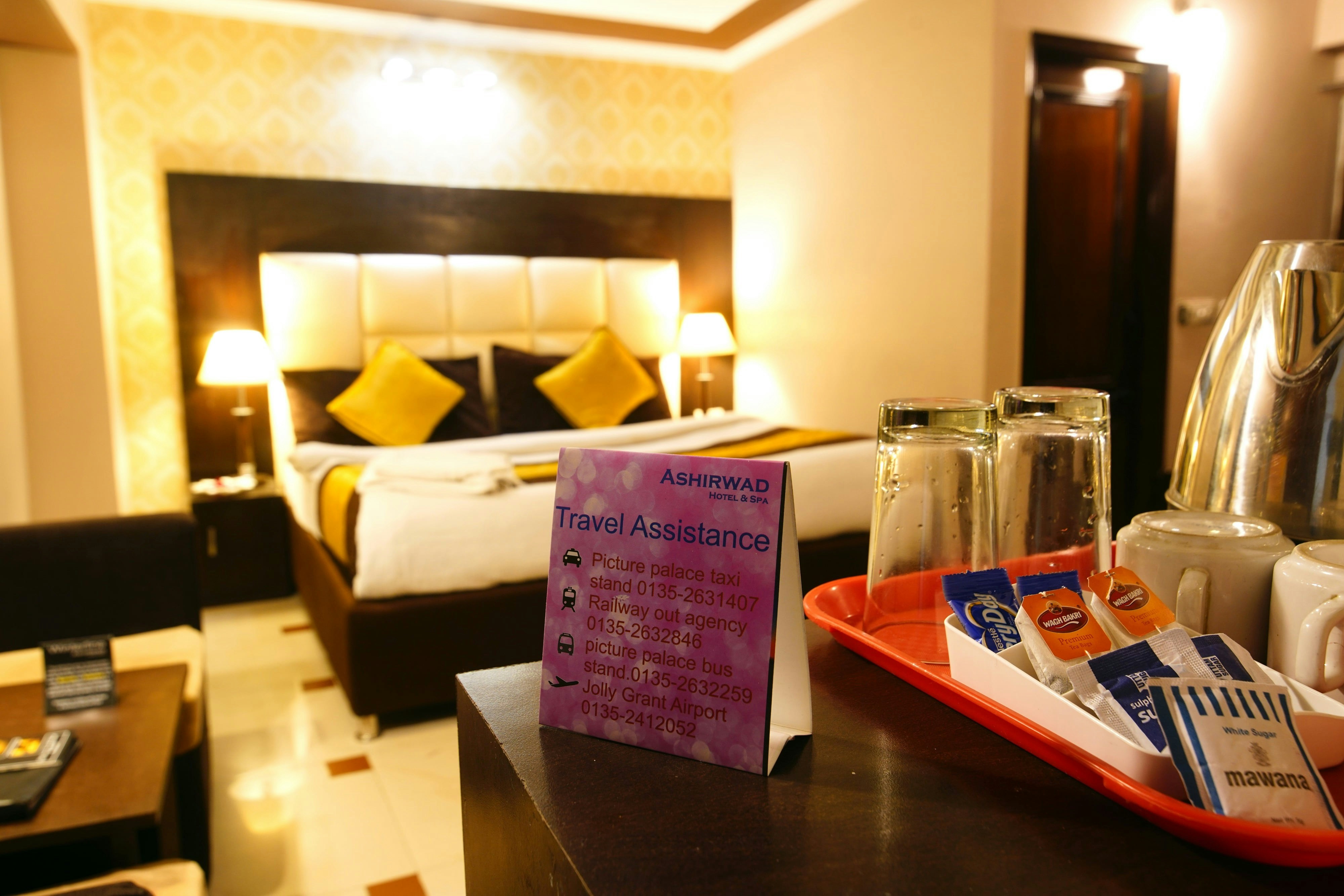
Introduction to Corporate Travel Hotel Booking
Corporate travel is an essential aspect of modern business operations, enabling professionals to engage with clients, attend conferences, and collaborate with teams across different locations. As organizations expand globally, the need for efficient and strategic hotel booking becomes increasingly critical. Effective hotel selection not only influences travel costs but also impacts employee satisfaction and productivity during business trips.
The landscape of corporate travel is continually evolving, driven by changes in technology, travel policies, and the overall business environment. Today, many companies leverage online booking tools and travel management systems to facilitate smoother reservations and better oversight of travel expenditures. Such digital advancements allow organizations to gain insights into employee preferences and travel trends, optimizing both cost-saving measures and traveler experience.
Ensuring a hassle-free process for hotel bookings can significantly enhance the overall travel experience for business professionals. Corporate travelers often seek accommodations that provide amenities tailored to their needs, such as meeting spaces, high-speed Wi-Fi, and convenient locations. Recognizing these preferences, hotel providers have designed services and facilities catering specifically to business travelers. Consequently, a well-chosen hotel can enhance productivity by providing comfortable workspaces and environments conducive to meetings and discussions.
Furthermore, the importance of managing corporate hotel bookings extends beyond just individual preferences and comfort. Streamlined booking processes can improve compliance with corporate travel policies and create opportunities for negotiated rates with hotels, ultimately contributing to cost-effectiveness. By focusing on efficient hotel booking practices, organizations can ensure a smoother and more successful corporate travel experience, which ultimately benefits both employees and the company as a whole.
Understanding Corporate Travel Policies
Corporate travel policies serve as a foundational framework for organizations that manage employee travel, especially regarding hotel bookings. Such policies are designed not only to ensure compliance with budgetary constraints but also to streamline the overall booking process. It is crucial for companies to establish clear guidelines that dictate the level of accommodation that employees should seek, which often aligns with prevailing company budgets and travel guidelines.
One significant aspect of corporate travel policies is adherence to preferred hotel chains. Companies often have established partnerships with specific hotel groups, which can provide better rates and benefits. By using these preferred hotels, organizations can ensure consistency in terms of quality, availability of required amenities, and negotiated corporate rates. This approach can lead to enhanced efficiency in booking arrangements and potentially leverage additional perks such as loyalty points or added services, ultimately benefiting the business and its employees.
Another critical component of corporate travel policies is the necessity of utilizing corporate accounts where available. Corporate account setups can simplify the payment process, with automatic billing systems that align with company expense management protocols. This practice not only minimizes administrative burdens but also aids in tracking travel expenditures more accurately, contributing to comprehensive financial reporting. Overall, by aligning hotel bookings with defined corporate travel policies, organizations can optimize their travel programs, ensuring compliance while also enhancing the traveler experience.
Choosing the Right Hotel for Corporate Travelers
Selecting the appropriate hotel for corporate travelers is a critical aspect of ensuring a productive and comfortable business trip. Several key factors must be considered to meet the specific needs of professionals on the move.
One of the primary considerations is location. Proximity to meeting venues, airports, and local businesses can significantly impact the efficiency of a traveler’s schedule. A centrally located hotel can minimize transit time, allowing corporate travelers to focus on their work commitments rather than wasting valuable hours on the road. Opting for a hotel situated near public transportation options can further enhance convenience and accessibility.
Amenities play a vital role in the decision-making process for corporate travelers. High-speed internet access is a must-have for today’s business professionals, enabling them to stay connected, attend video conferences, and handle urgent communications seamlessly. Additionally, facilities like business centers, meeting rooms, and printing services can prove invaluable during a corporate trip.
When considering amenities, dining options should also be evaluated. Hotels that offer complimentary breakfast or in-house restaurants can provide ease for travelers who have tight schedules. Furthermore, a fitness center or recreational area may be essential for travelers who wish to unwind and maintain their wellness routines while on the road.
Cost-effectiveness is another crucial factor in hotel selection. Corporate travelers often operate under budget constraints set by their companies, meaning that while luxury may be appealing, value for money remains a priority. Comparing rates and exploring corporate discounts or loyalty programs can help organizations manage travel expenses without compromising quality.
In conclusion, the right hotel for corporate travelers must balance location, amenities, business facilities, and cost-effectiveness. By factoring in these elements, companies can enhance the travel experience for their employees, promoting productivity and satisfaction during their corporate trips.
Online Booking Platforms: Pros and Cons
The digital landscape has significantly transformed the way businesses approach hotel booking for corporate travel. Online booking platforms have emerged as a vital resource, facilitating a streamlined process for corporate clients. Several well-known platforms, such as Expedia, Booking.com, and corporate-specific services like Concur, offer various functionalities aimed at improving the overall booking experience. However, each of these platforms comes with its own advantages and disadvantages.
One of the primary advantages of using online booking platforms is their user-friendly interface. Most of these platforms are designed for seamless navigation, allowing users to search, compare, and book accommodations quickly. The time-saving aspect can prove essential for corporate travelers who often have tight schedules. Additionally, many platforms offer exclusive corporate rates and negotiated deals, enabling companies to save on accommodation costs. These savings can accumulate over time, making online platforms an attractive option for frequent travelers.
Nonetheless, the reliance on online booking platforms is not without its drawbacks. While the convenience is unparalleled, the varying degrees of customer service can be a point of contention. In the event of booking issues or last-minute changes, reaching a customer representative can often be challenging, leading to frustration. Furthermore, while many platforms do offer corporate rates, some do not provide comprehensive support for the complexities involved in corporate travel policies, making it necessary for companies to conduct thorough research before committing.
Additionally, flexibility is a crucial factor to consider. Some platforms may have restrictions on cancellations and modifications, which can be detrimental for business trips that require sudden adjustments. In contrast, other platforms may offer more lenient policies, providing users with greater peace of mind. Ultimately, the choice of online booking platform will depend on the specific needs of the organization, weighing the benefits of convenience against the potential limitations in service and flexibility.
Maximizing Corporate Travel Budgets
Effective management of corporate travel budgets is essential for businesses looking to optimize their spending. One key strategy for maximizing budgets is to embrace advance booking techniques. By making hotel reservations well ahead of time, companies often secure the best available rates. Many hotel chains offer discounts for bookings made several weeks or even months in advance, which can significantly reduce travel expenses. This proactive approach not only reduces costs but also ensures better availability of accommodations.
Loyalty programs further enhance opportunities for budget optimization. Numerous hotel brands operate reward programs that allow companies to accumulate points with each booking. These points can be redeemed for free nights, upgrades, or other benefits, thereby contributing to savings on future trips. Incorporating loyalty programs into corporate travel plans can subsequently result in reduced overall expenses while providing additional perks to employees.
Negotiating rates with hotels is another effective approach to maximizing corporate travel budgets. Engaging in discussions with hotel management regarding regular bookings can lead to favorable terms, such as discounted rates or complimentary services. Businesses that frequently use particular hotels may find that establishing a corporate rate agreement will offer ongoing savings as well as consistency for their travelers.
Additionally, working with travel management companies (TMCs) can streamline the process of hotel bookings while maximizing corporate travel budgets. TMCs possess extensive industry knowledge and access to negotiation tools that could yield greater discounts and improved terms. By leveraging their expertise, organizations can achieve more efficient use of travel budgets through better pricing and enhanced travelers’ experiences.
The Role of Travel Management Companies (TMCs)
Travel Management Companies (TMCs) serve as a crucial partner in the realm of corporate hotel bookings, facilitating a streamlined approach to travel logistics. Their primary function is to alleviate the complexities of travel arrangements, allowing businesses to focus on their core operations. With their extensive industry knowledge and resources, TMCs can significantly simplify the hotel booking process for corporate travelers.
One notable advantage of utilizing a TMC is the access to better rates and exclusive deals with a variety of hotels. Due to their established relationships with hotel chains and independent properties, TMCs often negotiate lower rates than what companies might secure independently. This access not only leads to cost savings for organizations but also ensures that employees receive quality accommodations that align with their corporate travel policies.
In addition to securing favorable rates, TMCs play an essential role in managing potential issues that may arise during a trip. Whether it be flight cancellations, hotel overbookings, or last-minute changes in itinerary, TMCs have the expertise and resources to address these challenges efficiently. They provide 24/7 support to travelers, ensuring that any disruption is handled promptly, and business travel runs as smoothly as possible.
Furthermore, by aggregating travel data, TMCs can offer insights into travel patterns and spending, enabling companies to make informed decisions about their travel policies. This data can help organizations identify trends and adjust their strategies to optimize travel expenditures, ultimately improving the overall travel experience for employees.
In sum, TMCs serve as invaluable resources in corporate hotel bookings, offering not only cost-effective solutions but also comprehensive support throughout the travel process. Their role is essential in enhancing efficiency and ensuring a positive experience for corporate travelers.
Catering to Special Needs and Preferences
When planning corporate travel, it is essential to recognize and accommodate the special needs and preferences of travelers. Corporate travelers often have specific requirements that extend beyond standard amenities; fulfilling these needs can significantly enhance their overall experience. This includes attention to accessibility requirements, dietary restrictions, and different loyalty programs available.
Accessibility is a primary concern for many travelers. Hotels that cater to corporate clients should ideally have accessible rooms and facilities. When searching for hotels, it is advisable to inquire about wheelchair accessibility, bathroom amenities, and transportation options to ensure that all guests have a comfortable stay. Platforms that allow you to filter accommodation options by accessibility features can be beneficial in this regard.
Dietary restrictions also play a crucial role in the accommodation process. Corporate travelers may have special dietary needs due to health issues, preferences, or ethical standards. It is important to choose hotels that offer various dining options, including vegetarian, vegan, gluten-free, or allergen-free meals. Before finalizing a booking, contacting the hotel to confirm their ability to accommodate specific dietary requests can ensure that all needs are met without any inconvenience.
Moreover, corporate loyalty programs can provide significant benefits for regular travelers. Many hotel chains offer programs that reward frequent guests with points redeemable for discounts, free meals, or complimentary stays. Selecting a hotel that is part of a loyalty program not only simplifies the booking process but also enhances the overall value for the corporate traveler, leading to potential savings on future trips.
In conclusion, when navigating hotel bookings for corporate travel, the importance of accommodating special needs and preferences cannot be overstated. By considering accessibility features, dietary requirements, and loyalty options, businesses can ensure their employees have a productive and enjoyable travel experience.
Travel Safety and Security Considerations
When it comes to corporate travel, ensuring safety and security during hotel bookings is paramount for both individual employees and organizations as a whole. Companies must assess the safety standards of hotels to protect their traveling staff from potential risks. Key factors to evaluate include the hotel’s security measures, such as surveillance systems, secure entry points, and personnel training. A hotel that prioritizes guest safety can significantly reduce the likelihood of unfortunate incidents.
Location is another critical consideration. A hotel situated in a safe, well-lit area tends to offer added peace of mind, especially for travelers who may arrive at odd hours. Companies should conduct thorough research on the hotel’s surroundings, including nearby emergency services such as hospitals, police stations, and fire departments. Additionally, using online tools or reviews from trusted sources can provide valuable insights into the safety reputation of the area.
It is also advisable to inquire about the hotel’s contingency plans in the event of emergencies. Understanding how a hotel manages crises—be it a natural disaster, medical emergency, or security threat—can make a significant difference. Look for hotels that provide clear protocols, including communication plans and evacuation procedures. Moreover, knowing that hotels have established relationships with local authorities and emergency services can add an extra layer of assurance for corporate travelers.
Incorporating these safety and security factors into hotel selection not only enhances the comfort of business trips but also strengthens the organizational duty of care towards employees. This comprehensive approach to travel safety is essential for maintaining a secure environment for all business travelers.
Conclusion and Best Practices for Corporate Hotel Booking
Corporate travel often involves meticulous planning, especially when it comes to hotel accommodations. By adopting a few best practices, companies can enhance their travel management processes and improve the overall travel experience for employees. First and foremost, utilizing a robust booking platform designed for corporate travel can streamline the reservation process. These platforms offer a range of features including real-time availability, competitive pricing, and the ability to manage multiple bookings, which can save both time and money.
Another essential consideration is the importance of setting a clear travel policy. This policy should outline acceptable hotel choices, budgetary constraints, and other relevant details. Educating employees on the travel policy not only ensures compliance but also empowers them to make informed decisions during the booking process. Moreover, collaborating with preferred hotel partners can often lead to negotiated rates, further improving travel budgets.
When selecting accommodations, it is advisable to consider factors beyond just price. Proximity to meeting locations, amenities such as complimentary Internet access, and availability of business services should also be factored into the decision-making process. This holistic approach can ultimately enhance productivity and employee satisfaction during business trips.
Lastly, leveraging feedback from employees post-travel can provide valuable insights into the booking process and hotel experience. Encouraging employees to share their thoughts can help companies refine their strategies and ensure that hotel selections align closely with traveler preferences and needs.
In summary, by implementing these best practices for corporate hotel booking, companies can navigate the complexities of travel management more effectively, leading to a streamlined process and a more enjoyable experience for their employees.