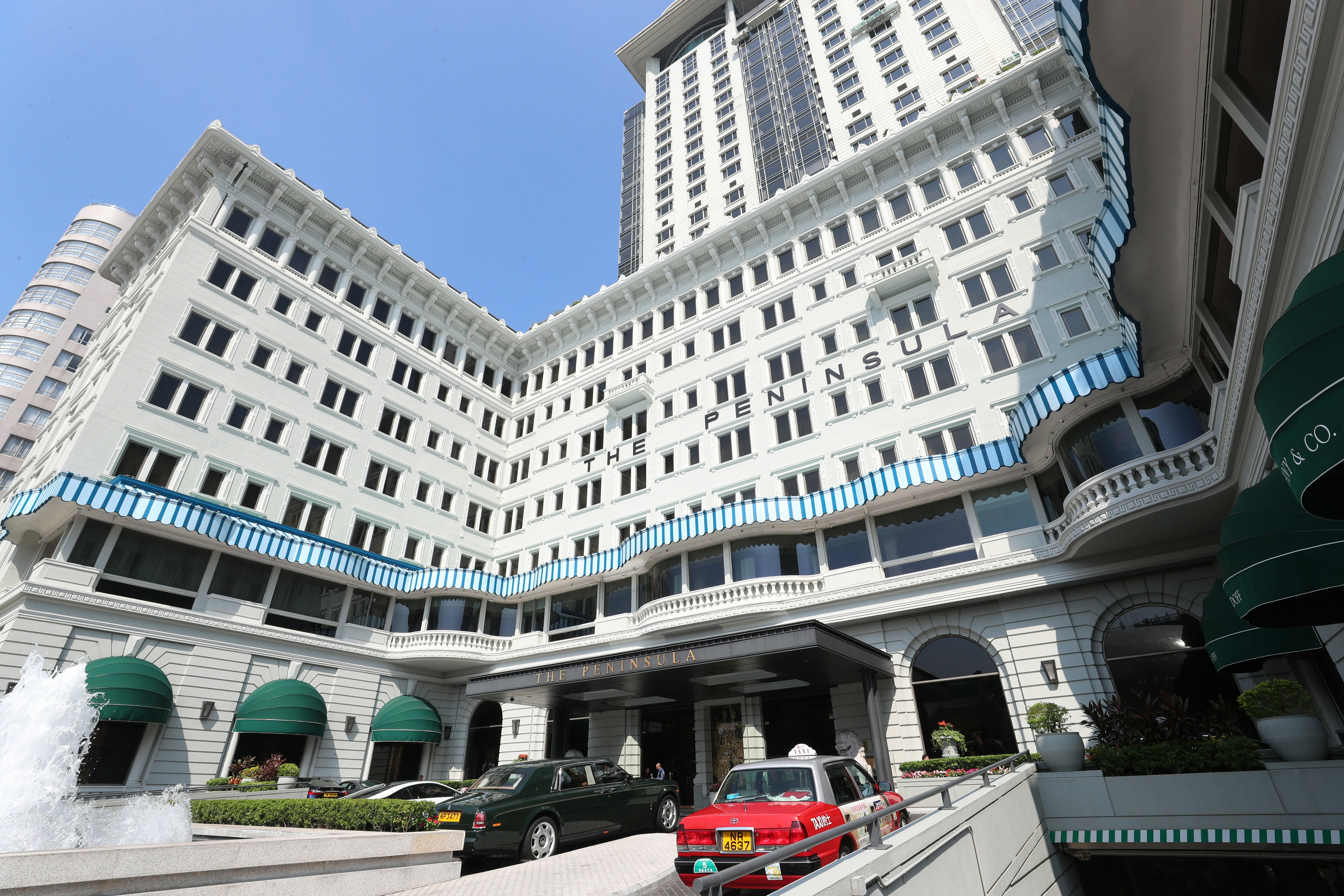
Introduction to Luxury Accommodations
Luxury accommodations represent the pinnacle of the hospitality industry, characterized by their unique offerings and exceptional standards. These hotels provide not only a place to stay but a comprehensive experience that often transcends the ordinary. The evolving definition of luxury in travel has shifted significantly over the years, moving from mere opulence to a holistic approach that emphasizes comfort, personalized service, and unique experiences. Today’s luxury hotels prioritize the individual preferences and desires of their guests, ensuring that each stay is tailored to create unforgettable memories.
What differentiates expensive hotels from regular accommodations can be attributed to several key factors. Exclusivity is perhaps the most notable aspect; luxury hotels often feature limited room availability, private access, and bespoke services that cater specifically to their clientele. This exclusivity creates an atmosphere of privacy and serenity that appeals to discerning travelers seeking a retreat from the demands of everyday life.
Another significant element is the level of personalized service that guests can expect at luxury accommodations. Highly trained staff members anticipate the needs of their guests, delivering tailored experiences that reflect each guest’s preferences and interests. From individualized dining options to custom itineraries and concierge services, the commitment to exceptional service is evident at every turn.
Moreover, luxury hotels boast extraordinary amenities that set them apart from conventional options. These may include world-class spas, Michelin-starred restaurants, state-of-the-art fitness centers, and unique recreational activities. Each aspect is designed to elevate the guest experience, ensuring that every moment spent at the hotel is memorable and enjoyable.
As the definition of luxury continues to evolve, the demand for exceptional accommodations grows. Luxury hotels represent a convergence of exclusivity, personalized service, and unparalleled amenities, making them a worthwhile consideration for travelers seeking an elevated experience during their journeys.
Criteria for Evaluating Expensive Hotels
When assessing the most expensive hotels in the world, several key criteria play an essential role in determining their status. One of the primary factors is location. Hotels situated in exclusive neighborhoods, near significant cultural landmarks, or in destinations with stunning natural scenery tend to command higher rates. Locations that offer proximity to high-end shopping, fine dining, and entertainment further enhance their appeal, attracting guests willing to pay a premium for the privilege of being at the heart of luxury.
Service quality represents another critical criterion. The most expensive hotels typically boast a highly trained staff dedicated to providing personalized service. This includes but is not limited to concierge services, 24-hour room service, and specialized offerings such as butlers who cater to every guest’s need. Exceptional service not only adds to the overall experience but also reinforces the hotel’s reputation, justifying its high price point.
Uniqueness of experiences offered is also a significant consideration. Many luxury hotels provide exclusive and tailored experiences that guests cannot find elsewhere. This could range from private tours of local attractions to unique culinary experiences curated by acclaimed chefs. Such distinctive offerings contribute to a hotel’s allure, creating a compelling reason for travelers to invest in a stay at a particular property.
In addition to location and service, luxury amenities distinguish these high-end hotels. From world-class spas and fitness centers to opulent swimming pools and finely appointed suites, these establishments often include a suite of facilities that deliver comfort and indulgence to their guests. Other perks, such as complimentary transfers, exclusive access to events, or premium Internet services, add significant value, further enhancing the overall appeal of luxury accommodations. By considering all these aspects, one can truly appreciate what sets the most expensive hotels apart in the hospitality industry.
Showcasing the Most Expensive Hotels
Luxury travel enthusiasts often seek accommodations that offer more than just a place to sleep, and some hotels set benchmarks that redefine opulence. Among the world’s elite lodgings, the Burj Al Arab in Dubai stands out with its distinctive sail-shaped silhouette. This landmark hotel boasts prices that can reach upwards of $24,000 per night for its Royal Suite. Guests are granted access to a private beach, 24-hour butler service, and an array of world-class dining options. Its unique architecture and exclusive amenities firmly secure its status as one of the most expensive hotels worldwide.
Situated in the Maldives, the Soneva Jani takes luxury to new heights with its overwater villas, each featuring a private infinity pool and personal water slides. With rates averaging around $15,000 per night, this stunning resort provides guests with an unparalleled experience, including personalized service, an outdoor cinema, and exceptional spa treatments amidst breathtaking surroundings. The connection with nature is ever-present, emphasizing sustainable luxury without compromise.
In the realm of European extravagance, Italy’s Seven Stars Galleria in Milan invites travelers to indulge in its opulent confines with nightly rates starting at approximately $30,000. This hotel is renowned for its exclusive suite, complete with custom furnishings, priceless art, and panoramic views of the city. The property’s location also allows guests to explore luxury shopping along the historic Galleria Vittorio Emanuele II, providing a seamless blend of comfort and culture.
Finally, rising to prominence as a unique offering, The Palms in Las Vegas features its Sky Villa at an impressive price point of around $40,000 per night. This grand suite is a lavish two-story space adorned with a private terrace, a large pool, and a panoramic view of the Strip. Designed for ultimate indulgence, it encapsulates why some hotels command exorbitant rates, as they provide experiences that far exceed conventional hospitality standards.
Unforgettable Amenities and Experiences
When it comes to luxury accommodations, the most expensive hotels in the world offer a wide array of exceptional amenities and experiences that set them apart from standard lodging options. One of the standout features of these hotels is their unique spa treatments, often inspired by local traditions and designed to provide transformative wellness experiences. From rejuvenating massages utilizing rare botanical oils to exclusive therapies incorporating innovative techniques, these spa services cater to both the physical and mental well-being of guests, ensuring a memorable stay.
Equally notable is the gourmet dining experience that luxury hotels provide. Renowned chefs curate exquisite menus, often featuring locally sourced ingredients crafted into culinary masterpieces. Guests can partake in lavish breakfasts, elaborate brunches, and multi-course dinners that reflect the culture and resources of the surrounding area. Some hotels even offer private dining experiences where patrons can enjoy meals in breathtaking settings, such as on a secluded beach or atop a rooftop terrace with stunning views. This attention to culinary detail transforms each meal into an extraordinary event.
Personalized concierge services further elevate the guest experience in luxurious accommodations. Expert concierge teams are available to attend to every need, from arranging private transportation to securing last-minute reservations at exclusive venues. Their extensive knowledge allows them to craft tailored experiences for visitors, whether it is organizing a custom city tour or providing insider access to local events. Additionally, special requests are not uncommon, as many luxury hotels pride themselves on anticipating and exceeding guest expectations.
Exclusive excursions are another hallmark of high-end hospitality. Many of the world’s priciest hotels partner with local experts to offer curated adventures, such as private yacht chartering, helicopter tours of scenic landscapes, or guided explorations of cultural landmarks. These unique experiences are designed to immerse guests in the destination, creating lasting memories that justify the premium price of their stay.
Architectural Marvels and Design
The most expensive hotels in the world are not just places to stay; they are masterpieces of architecture and design that captivate visitors with their aesthetic appeal. Each of these luxurious establishments reflects a unique blend of artistry, innovation, and opulence, created by renowned architects and interior designers dedicated to pushing the boundaries of what is possible in hospitality design. The ability of these hotels to meld form and function as an architectural marvel contributes significantly to their overall value and allure.
Many of these hotels are crafted by architects who are household names in the world of design, such as Zaha Hadid, Richard Meier, and Jean Nouvel. Their visionary approaches often involve the use of unconventional materials, intricate shapes, and sweeping curves that redefine traditional notions of luxury. The Burj Al Arab in Dubai, designed by Tom Wright, is a prime example, with its iconic sail-like silhouette that is both striking and emblematic of its opulent offerings. Visitors are often left in awe of how these architectural designs harmonize with their surroundings, creating a perfect backdrop for luxury.
Interior design also plays a crucial role in elevating the guest experience. Often, world-renowned designers are commissioned to create spaces that exude sophistication and comfort. The interiors are typically adorned with luxurious furnishings, intricate details, and exclusive artwork, meticulously curated to create a unique atmosphere. For instance, The Ritz Paris showcases a blend of classic French elegance, with intricately designed salons and sumptuous fabrics that evoke a sense of high-end luxury. Such design elements not only enhance the visual experience but also reflect the pinnacle of luxury hospitality, contributing significantly to the intrinsic value of these properties.
Celebrity Guests and High-Profile Events
Expensive hotels serve as the epitome of luxury and exclusivity, attracting celebrities and the elite class for their distinctive offerings and status. This allure often stems from the hotels’ unparalleled amenities, such as world-class dining, lavish spas, and top-notch service, which cater to the unique preferences of high-profile individuals. For instance, The Royal Atlantis Resort in Dubai has hosted numerous global stars, including actors and musicians who seek both privacy and luxury during their stays. Such hotels become the favored choice not solely for their opulence but also for their ability to provide a secure and serene environment.
One of the hallmarks of these high-end establishments is their ability to host extravagant events that catch global attention. Major award ceremonies, film festivals, and exclusive product launches often take place in these luxury venues. The famous Beverly Hills Hotel, known as the “Pink Palace,” has been the backdrop for countless Red Carpet events, attracting Hollywood elites, and creating a hub for influential networking. The blend of a sophisticated ambiance and celebrity presence amplifies the hotel’s status, thus drawing even more visitors eager to experience the same luxury.
Furthermore, the social gatherings and parties held at these luxury hotels often garner media coverage, further enhancing their appeal. The iconic Hôtel Negresco in Nice, France, is renowned for its exquisite ballrooms that have hosted royal weddings and celebrity galas, turning these gatherings into trending events. Each high-profile guest or notable occasion reinforces the elite status of such hotels, making them more than just places to stay; they become cultural landmarks recognized worldwide. As celebrities continue to favor these luxurious retreats, they solidify the standing of these expensive hotels as the quintessential getaway for the affluent.
The Role of Location in Luxury
The location of a hotel plays a critical role in determining its luxury status and associated pricing. Many of the most expensive hotels in the world are situated in destinations renowned for their exclusivity, iconic landmarks, and breathtaking natural beauty. A prime example is a hotel located on a private island, where the remoteness not only provides a sense of seclusion but also enhances the overall guest experience. Such locations often feature pristine beaches, stunning vistas, and bespoke services that are difficult to replicate elsewhere.
In major cities like New York and Paris, luxury hotels thrive in areas that are close to cultural landmarks, high-end shopping districts, and world-class dining establishments. The appeal of staying in a hotel that offers immediate access to attractions like the Eiffel Tower or Times Square significantly elevates the guest’s experience, justifying the premium charged for accommodations. Additionally, urban hotels often provide unparalleled views of city skylines or famous sights, which serve to enchant visitors and create lasting memories.
Natural landscapes also serve as impressive backdrops for luxury hotels, adding to their allure and pricing. Hotels nestled in the Swiss Alps or overlooking the azure waters of the Mediterranean Sea offer guests both comfort and proximity to spectacular settings ideal for relaxation and exploration. This connection to nature, coupled with exquisite amenities, makes such properties highly sought after by discerning travelers. Ultimately, the combination of exclusive locales, awe-inspiring views, and easy access to cultural gems contributes to the allure of expensive hotels, making them well worth the investment for those seeking an unparalleled experience.
Sustainability in Luxury Hospitality
The landscape of luxury hospitality is evolving, with many of the most expensive hotels at the forefront of sustainable practices. These establishments are demonstrating that opulence and environmental responsibility can coexist, appealing to a growing demographic of conscientious travelers. By integrating eco-friendly designs, utilizing locally sourced materials, and fostering community involvement, high-end hotels are redefining the meaning of luxury in the modern age.
One of the key initiatives undertaken by these hotels is the implementation of eco-friendly designs. This often includes the use of sustainable architectural practices and construction materials that minimize environmental impact. For instance, many luxury hotels are constructed with recycled or reclaimed materials and employ energy-efficient technologies. These adaptations not only reduce the carbon footprint of the establishment but also enhance the overall aesthetic of the space, making the experience not only luxurious but also environmentally friendly.
Moreover, sourcing materials locally has become a significant trend within luxury hospitality. By partnering with regional artisans and producers, these hotels not only reduce transportation emissions but also support the local economy. Guests can enjoy high-quality, unique furnishings and culinary experiences that reflect the culture and heritage of the area. This approach not only bolsters the local community but also enriches the travel experience, providing visitors with authentic interactions that go beyond traditional luxury.
Community involvement is another critical aspect of sustainability in luxury hotels. Many establishments engage actively with local communities through various initiatives such as outreach programs, environmental conservation efforts, and cultural exchange. By investing in local development and sustainability projects, these hotels establish a positive rapport with residents while promoting stewardship of the environment.
Through these various endeavors, the most expensive hotels in the world are not just symbols of luxury; they are increasingly becoming paragons of sustainability. These practices, far from compromising luxury, redefine it, creating a responsible yet lavish experience for discerning travelers.
Conclusion: The Value of Luxury Travel
Luxury travel is often perceived as synonymous with indulgence and opulence, but at its core, it embodies experiences that transcend mere accommodation. The discussion surrounding the most expensive hotels in the world highlights their unparalleled offerings, from bespoke services to architectural splendor. Travelers opt for high-end hotels not just for the comfort and luxury but for the enriched experiences that come with them—immersive cultural encounters, personalized services, and exclusive access to unique locations.
Many high-end accommodations boast esteemed culinary options, exceptional wellness amenities, and personalized concierge services, all designed to cater to the desires of their guests. Such hotels curate unique experiences—offering activities such as private yacht charters, exclusive guided tours, and unparalleled dining experiences that promise to create lasting memories. This commitment to providing extraordinary experiences plays a significant role in justifying the steep price tags often associated with luxury stays.
Moreover, the ability to escape into a world of sophistication and relaxation is immensely appealing to discerning travelers. The ambiance, attention to detail, and the prestige surrounding these establishments contribute to an unparalleled level of comfort and satisfaction. For many individuals, investing in luxury accommodations is an investment in personal well-being, a chance to create meaningful connections, and an opportunity to indulge in self-care, a vital aspect in today’s fast-paced world.
Ultimately, while luxury travel may entail a significant financial commitment, the rewards—exceptional service, exclusive experiences, and unforgettable memories—often outweigh the costs. As such, it becomes evident why many travelers are willing to embrace the luxury travel segment and explore the world’s opulent hotels. These unique experiences are not just about the stay; they are about enriching one’s life through unforgettable journeys.