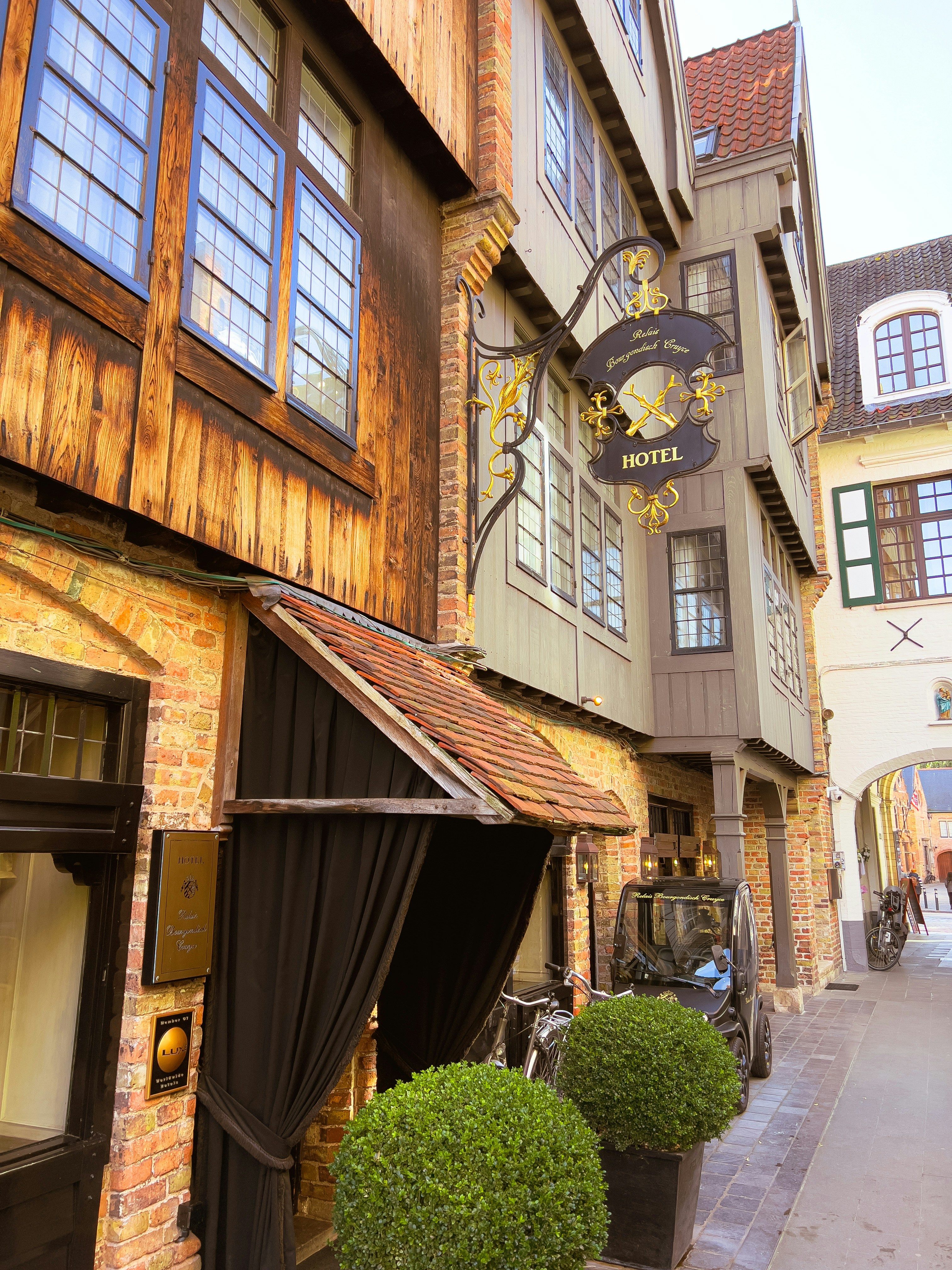
Introduction to Boutique Hotels
Boutique hotels have gained considerable traction among travelers in recent years, standing out from traditional hotel chains through their distinctive characteristics and personalized service. These small to medium-sized hotels, typically featuring between 10 to 100 rooms, are often designed with a creative and artistic flair, resulting in a unique ambiance that reflects the local culture and aesthetic. Unlike standard hotels that prioritize consistency across their properties, boutique hotels offer an individualized experience that caters to the guest’s desire for authenticity and uniqueness.
One of the defining characteristics of boutique hotels is their emphasis on providing an intimate atmosphere. Staff members often develop close relationships with guests, enabling them to offer tailored recommendations and personalized services. This can enhance the overall travel experience, making visitors feel valued and understood. Additionally, many boutique hotels are located in distinct neighborhoods, allowing guests to immerse themselves in the cultural richness of the surroundings and access local attractions that may be overlooked by larger chains.
The increase in popularity of boutique hotels can be attributed to a shift in traveler preferences. More people are seeking accommodations that provide not only a place to sleep but also a memorable experience that resonates with their identity and interests. This trend has sparked a growing demand for properties that reflect local heritage and showcase artistic, culinary, and architectural innovations, which are often hallmarks of boutique establishments. Consequently, these hotels have become synonymous with a more personalized and enriching travel experience, appealing to those who prioritize individuality and connection during their journeys.
The Importance of Personal Service
Boutique hotels are renowned for their emphasis on personal service, a hallmark that distinguishes them from larger, chain accommodations. This focus on individualized attention fosters a unique charm that enhances the overall guest experience. The relatively low staff-to-guest ratio in boutique hotels allows for a level of care that is often unparalleled, enabling staff members to develop closer-knit relationships with guests. This intimate environment encourages meaningful interactions, where guests feel valued and their preferences are genuinely acknowledged.
Personalized service takes many forms in these establishments. For instance, staff members often remember returning guests and actively recall their past preferences, such as room choices, dietary restrictions, or even preferred activities. This attention to detail often creates a welcoming atmosphere where guests feel a sense of belonging. Boutique hotel employees might offer personalized recommendations for local attractions, dining options, or events tailored specifically to a guest’s interests, further enhancing the travel experience.
Moreover, staff members at boutique hotels frequently go above and beyond to create memorable moments. A special arrangement may be offered for a birthday guest, such as providing complimentary champagne or organizing a unique activity in the area. Such endeavors reinforce the notion that hospitality revolves around building relationships and understanding guests’ needs at a deeper level. When guests are treated as individuals rather than numbers, it can lead to heightened satisfaction and loyalty.
In a world where standardized experiences are common, the importance of personal service in boutique hotels remains significant. By prioritizing meaningful connections and attentive care, these establishments create an atmosphere that not only meets but often exceeds guests’ expectations, ensuring a memorable and personalized travel experience.
Authentic Local Experiences
Boutique hotels have a unique ability to immerse guests in their surroundings, offering authentic local experiences that often elude larger hotel chains. Unlike their more conventional counterparts, boutique establishments typically emphasize personalized service, which extends to the recommendations and insights provided by staff members. These professionals tend to be more familiar with their region and are frequently eager to share details about hidden gems, local dining options, and exciting activities that capture the essence of the destination.
Guests of boutique hotels can expect curated dining recommendations that highlight local cuisine and innovative eateries. Instead of the standard fare associated with larger hotels, boutique properties often take pride in guiding travelers toward family-owned restaurants and market stalls that showcase regional flavors. This type of dining can enhance a visitor’s experience, allowing them to taste the very culture they are exploring.
In addition to dining, many boutique hotels are adept at organizing activities that are reflective of the locality. This might involve arranging guided tours led by knowledgeable locals, providing access to cultural festivals, or even coordinating workshops that teach traditional crafts. Such immersive activities not only enhance guests’ understanding of their surroundings but also foster a deeper emotional connection to the culture.
Furthermore, boutique hotels frequently curate events that celebrate local traditions, from art exhibits to live music performances. By facilitating these experiences, these smaller properties can play a pivotal role in preserving and sharing the heritage of their communities. Hence, the authenticity offered by boutique hotels enables guests to step outside conventional tourist experiences and engage more meaningfully with the local culture. Embracing these authentic local experiences can significantly enhance a traveler’s connection to their destination, ultimately making it more memorable.
Unique and Themed Design
Boutique hotels are renowned for their distinctive design, setting them apart from traditional hotel offerings. Each establishment presents a unique aesthetic that often reflects the history, culture, and character of its surroundings. Unlike standard hotel chains that favor uniformity, boutique hotels embrace individuality by incorporating local art, architecture, and cultural references into their décor. This approach not only creates visually appealing spaces but also fosters a deeper connection between guests and their destinations.
Themed designs are a hallmark of boutique hotels, providing guests with immersive experiences. For instance, a hotel in a coastal city may incorporate nautical themes, complete with vintage maritime artifacts and a color palette reminiscent of the sea. Similarly, an urban boutique hotel might feature industrial-inspired interiors that pay homage to the city’s architectural heritage. By integrating themes that resonate with the local environment, these hotels create atmospheres that are not only captivating but also meaningful.
Furthermore, the attention to detail in boutique hotel design enhances the overall guest experience. Custom furnishings, artwork from local artists, and thoughtfully curated color schemes contribute to creating a memorable ambiance. Such attention to design elevates the stay, allowing travelers to appreciate a layered narrative of the locale within the comfort of their accommodations. This commitment to aesthetics can also engender a sense of pride among guests as they explore and connect with the rich tapestry of culture and history that the boutique hotel signifies.
Ultimately, the unique and themed design of boutique hotels plays a critical role in providing a personal travel experience. By merging creative design elements with local influences, boutique hotels craft environments that invite guests to engage with the space on a more profound level, leading to cherished memories long after their stay has concluded.
Community Engagement and Sustainability
Boutique hotels have emerged as more than just accommodations; they often serve as vital components of their surrounding communities. Prominent among their practices is a commitment to community engagement and sustainability. By prioritizing local relationships, boutique hotels foster a sense of belonging that enhances travelers’ experiences and cultivates deeper connections with the destinations they visit.
One of the most impactful ways these hotels engage with their communities is by forming partnerships with local artisans and businesses. For instance, boutique hotels may showcase artworks, crafts, or culinary delights created by local artisans within their premises. This not only supports the local economy but also allows guests to experience genuine, regional culture during their stay. Such initiatives empower communities and offer travelers unique, authentic experiences that are not typically available in larger, chain hotels.
Moreover, sustainability plays a pivotal role in the operations of many boutique hotels. Many establishments adopt eco-friendly practices, such as using locally sourced materials, energy-efficient systems, and sustainable building designs. These practices not only minimize their ecological footprint but also encourage guests to engage in responsible tourism. For example, some hotels may offer programs aimed at reducing waste or encouraging recycling, thereby promoting an eco-conscious ethos among visitors. Additionally, engaging in community clean-up initiatives invites guests to participate actively in preserving the local environment.
To summarize, boutique hotels embody a unique charm by intertwining community engagement and sustainability within their operational philosophy. By prioritizing local partnerships and eco-friendly practices, these establishments not only enhance the guest experience but also contribute positively to the communities they inhabit. Through such initiatives, travelers can support local economies and environmental stewardship during their stays, making their travels more meaningful and memorable.
Memory-Making through Personal Touches
One of the defining characteristics of boutique hotels is their ability to cater to their guests in ways that create memorable experiences. Unlike larger chain hotels, boutique establishments emphasize personal touches that elevate the overall guest experience. These unique services can range from the simple yet thoughtful gesture of a handwritten welcome note to more elaborate offerings such as customized itineraries tailored to individual preferences.
Guests often recount heartwarming anecdotes of their stays in these intimate settings. For instance, a couple celebrating their anniversary may arrive at their room to find a bouquet of fresh flowers and a complimentary bottle of local wine awaiting them. Such surprises not only exemplify the attention to detail that boutique hotels are known for, but they also contribute to making special occasions truly unforgettable.
Additionally, many boutique hotels take pride in showcasing local culture through their amenities. It is common for guests to be greeted with complimentary treats that speak volumes about the region’s culinary heritage. Imagine arriving at a charming seaside boutique hotel to find freshly baked cookies or artisanal chocolates from a nearby vendor placed on the nightstand. These little delights connect guests with the locale and create a sense of belonging.
Boutique hotels often go a step further by engaging directly with guests to ascertain their interests and preferences. Some properties offer personalized experiences, such as private tours to hidden gems frequented only by locals, ensuring that visitors leave with a deeper appreciation of the area. This deeply individualized service fosters a welcoming atmosphere that is both comforting and invigorating, making guests feel valued and cherished.
In essence, the ability of boutique hotels to weave personal touches into the fabric of their service makes each stay a unique memory in the minds of their guests, distinguishing them from the more homogenized offerings of larger hotel chains.
Flexibility and Customization
Boutique hotels are renowned for their ability to offer a unique blend of flexibility and customization that is often absent in larger hotel chains. Unlike standard accommodations, boutique hotels focus on delivering a personalized experience that caters to the individual needs and preferences of their guests. This emphasis on tailoring the stay allows travelers to feel more at home and engaged during their visit.
One of the primary advantages of boutique hotels lies in their capacity to adjust room configurations according to guest requests. Whether it’s rearranging furniture for more space, accommodating special needs, or providing specific amenities, boutique hotels pride themselves on being responsive to guest demands. Additionally, many boutique establishments embrace unique themes and decor, allowing guests to select accommodations that resonate with their personal styles.
Moreover, the customization extends beyond just the physical aspects of the hotel. Concierge services in boutique hotels are often designed to cater to individual interests, crafting personalized itineraries that highlight local attractions, dining experiences, and unique activities tailored to each guest’s preferences. This level of attention reinforces a sense of intimacy and connection with the surroundings, transforming a simple trip into a memorable journey.
In addition, boutique hotels often feature gourmet dining options that can adapt to dietary restrictions and culinary desires. Chefs are typically open to discussing menu preferences and can even create bespoke meals upon request, ensuring that the dining experience reflects personal tastes and needs.
Overall, the flexibility and customization options available at boutique hotels enhance the travel experience significantly. Guests are given the opportunity to immerse themselves in a bespoke atmosphere, making their stays not only enjoyable but also uniquely their own. The ability to personalize every aspect of the visit contributes to a more relaxed travel experience, allowing guests to focus on what truly matters—their journey.
Feedback and Continuous Improvement
Boutique hotels distinguish themselves not only through their unique decor and personalized service but also by their commitment to continually enhancing the guest experience. One of the primary strategies these establishments adopt is actively seeking feedback from guests. This practice is essential, as it allows boutique hotels to understand the needs and preferences of their visitors better, fostering a more tailored hospitality approach.
Guest feedback often takes many forms, including online reviews, post-stay surveys, and direct conversations during or after the visit. Boutique hotels utilize this information to adjust their offerings and services, ensuring that they align more closely with what their patrons desire. For instance, if guests frequently comment on the need for improved amenities or more personalized services, hotel management is likely to respond swiftly by making necessary changes or enhancements.
The process of engaging with guests after their stay is vital for building long-lasting relationships. Many boutique hotels send out thank-you emails or surveys, prompting guests to share their thoughts and experiences. This post-stay communication not only showcases the hotel’s dedication to quality service but also encourages guests to return, knowing their opinions are valued. Additionally, the establishment of this feedback loop cultivates a culture of ongoing improvement, enhancing the overall guest experience with an emphasis on personal touches that larger hotel chains may overlook.
Moreover, successful boutique hotels recognize that responding to feedback and implementing changes can offer a competitive edge. By continuously evolving their services based on guest insights, they can create memorable stays that meet and exceed expectations. In summary, actively soliciting and valuing guest feedback plays a crucial role in defining the charm of boutique hotels, ensuring that each visitor leaves with a sense of satisfaction and the possibility of a return visit.
Conclusion: The Future of Travel in Boutique Hotels
As we reflect on the unique charm that boutique hotels provide, it becomes clear that their appeal lies in the personalized travel experiences they offer. These establishments prioritize individuality and authenticity, striving to create memorable stays that resonate with travelers on a deeper level than traditional accommodations. As modern travelers increasingly seek connections to their destinations, boutique hotels have positioned themselves as leaders in the hospitality industry by offering tailored experiences that reflect the local culture and aesthetics.
The trend toward personalized service is likely to continue growing in the future, as guests increasingly expect more than just a place to stay. Boutique hotels are responding by enhancing their offerings, including providing bespoke services such as customized itineraries, unique dining experiences, and local guided tours. This focus on individuality allows guests to engage more fully with their surroundings, fostering a sense of belonging and genuine immersion in their travel experiences.
Moreover, the rise of sustainability and conscious travel is shaping the landscape of boutique hotels. Many establishments are adopting eco-friendly practices and emphasizing local sourcing, which aligns with the values of a growing segment of travelers who prioritize environmental conservation and ethical tourism. By integrating these principles into their operations, boutique hotels not only cater to the evolving preferences of their clientele but also promote a positive impact on the communities they inhabit.
Overall, the future of boutique hotels seems promising as they adapt to meet the desire for more meaningful and memorable journeys. The industry will likely witness an ongoing trend where personalized services and authentic experiences become the hallmark of successful stays. As travelers continue to prioritize personal connections and unique narratives in their journeys, boutique hotels will undoubtedly remain in high demand, reflecting the dynamic nature of the hospitality sector.