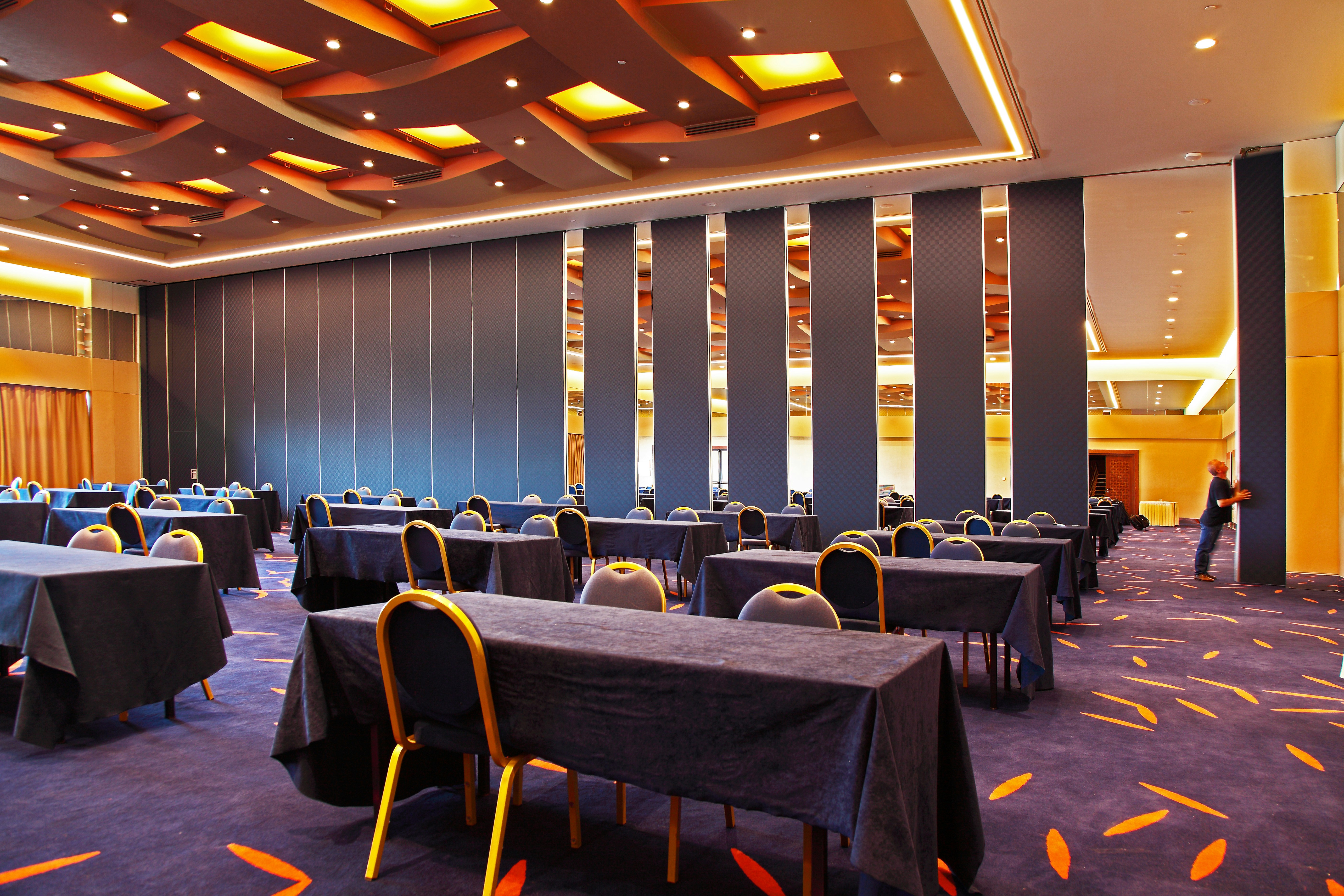
Introduction to Business Hotels and Conference Venues
Business hotels and conference venues have become essential components of the corporate sector, serving as pivotal locations for various corporate activities. These establishments are specifically tailored to accommodate the needs of business travelers, providing them with a comfortable and productive environment. This includes amenities such as high-speed internet, dedicated workspaces, and meeting facilities equipped with modern technology. As the business travel market continues to grow, so does the demand for such specialized accommodation.
In the contemporary business landscape, professionals frequently travel for meetings, conferences, and events, making business hotels crucial for supporting these activities. These venues not only offer a place to stay but also serve as locations for hosting corporate events, strategic meetings, and large conferences. The ability to combine accommodation with meeting space allows organizations to streamline their operations, reduce costs, and enhance productivity by keeping participants within the same venue.
The significance of business hotels extends beyond mere lodging; they also represent a valuable opportunity for brands to market their offerings to a relevant audience. Corporate event planners often seek venues that can provide not just adequate facilities, but also an atmosphere conducive to networking and collaboration. This trend presents unique advertising opportunities for hotels that cater to business clients, enabling them to position themselves as leaders in this highly competitive market.
Overall, understanding the role of business hotels and conference venues in the corporate sector is crucial for recognizing their potential within hotel advertising strategies. The interplay between the growth of business travel and the need for sophisticated venues illustrates their importance in fostering meaningful business engagements and serves as a foundation for further exploration of their market impact.
The Rise of Business Travel and Its Impact
In recent years, business travel has seen a significant upward trajectory, becoming a crucial component of the global economy. Various reports indicate that the business travel market is anticipated to reach substantial figures, with estimates projecting a value exceeding $1.6 trillion by 2023. This growth is largely fueled by increased corporate investments in travel, which reflect the essential nature of face-to-face meetings and in-person collaborations in driving business success.
The demographic landscape of business travelers is diverse, encompassing executives, managers, and other professionals engaged in a multitude of industries. Notably, millennials and Generation Z are becoming increasingly prominent within this cohort, bringing unique preferences that are shaping the future of business travel. These younger travelers tend to prioritize flexibility, work-life balance, and unique experiences over traditional travel norms, making it vital for hotels to adapt their offerings to cater to their expectations.
Moreover, the implications for hospitality providers are profound. As organizations expand their global footprint, the demand for suitable accommodations rises, necessitating hotels to position themselves strategically as premier choices for corporate clients. Amenities such as high-speed internet, flexible meeting spaces, and effective business centers are more than just added features; they are now essential for attracting and retaining these travelers. Additionally, hotels that offer unique packages tailored for business travelers, including loyalty programs and discounts for extended stays, can foster stronger relationships with corporate clients.
The prominence of travel management companies and online booking tools has also transformed how business travelers select accommodations. The ease of booking and the availability of extensive information enables travelers to make informed choices quickly. As a result, hotels must focus on enhancing their visibility within these platforms to secure bookings. In light of these trends, it is evident that the surge in business travel presents both challenges and opportunities for the hospitality sector, underlining the importance of proactive adaptation and marketing strategies.
Understanding the Unique Features of Business Hotels
Business hotels are specifically designed to cater to the needs of corporate travelers. Unlike leisure hotels, which focus on recreational amenities, business hotels emphasize functionality and convenience. One of the most distinctive features of a business hotel is the availability of well-equipped meeting rooms. These facilities provide a conducive environment for conferences, seminars, and corporate events, complete with audio-visual equipment, teleconferencing capabilities, and sometimes, even dedicated event coordinators to assist in planning.
Another critical amenity offered by business hotels is high-speed internet access. In the contemporary business landscape, reliable internet connectivity is essential for professionals who rely on digital communication and extensive online research. Business hotels often provide complimentary Wi-Fi, ensuring that guests can stay connected without incurring additional costs. This accessibility is a significant factor in attracting corporate clients, who value seamless online experiences during their stays.
Furthermore, business centers are a staple in these hotels. Typically equipped with computers, printers, and copying machines, these centers allow guests to attend to work-related tasks without needing to venture outside the hotel premises. Such features are integral for business travelers who may require immediate access to office services while on the go.
Flexible check-in and check-out options are also a hallmark of business hotels. Recognizing the varying schedules of corporate clients, many establishments offer these conveniences to accommodate different time zones and meeting schedules. This flexibility enables business guests to manage their itineraries more effectively, improving overall satisfaction with their stay.
Strategically located near business districts and transportation hubs, business hotels provide easy access to major company offices and transit options. This positioning enhances the appeal of these accommodations, making them a popular choice for corporations seeking to streamline operations while facilitating the comfort and efficiency of their traveling employees. These unique features collectively position business hotels as optimal solutions for the modern professional, bridging the gap between comfort and utility.
Marketing Strategies for Business Hotels
In the competitive landscape of the hospitality industry, business hotels must employ effective marketing strategies that cater specifically to corporate clients. Digital marketing techniques play a crucial role in reaching this audience. Establishing a robust online presence through an intuitive, professional website is essential. Such a website should showcase the amenities tailored for business travelers, including meeting rooms, high-speed internet, and proximity to major business centers. Search engine optimization (SEO) is integral in ensuring the website ranks well in search results, thereby increasing visibility to companies searching for suitable venues.
In addition to a well-optimized website, leveraging social media platforms enhances engagement with potential clients. Business hotels can utilize platforms such as LinkedIn and Twitter to share valuable content, including industry insights and updates on available corporate packages. This engagement helps foster relationships and build trust with corporate clients. Consistent posting and interaction can also facilitate connections with decision-makers in companies looking to book conference facilities and accommodations.
Targeted advertising is another vital strategy. Utilizing pay-per-click (PPC) campaigns and social media advertising allows business hotels to reach specific audiences more effectively. Advertisements can be customized to highlight the unique benefits of staying at the hotel, such as discounts for corporate bookings or all-inclusive packages for events. Moreover, partnerships with travel agencies and corporations can further enhance visibility, as these entities often recommend hotels to their clients.
Lastly, content marketing is a powerful tool that can highlight the advantages of using business hotels for corporate events. By creating informative blogs, videos, and case studies that showcase successful business events held at the hotel, potential clients can visualize their own events in the space. This narrative not only draws interest but also reinforces the hotel’s position as a premier venue for corporate needs.
Conference Venues: More than Just Hotel Rooms
When considering venues for corporate events, conference facilities at hotels emerge as a popular choice, offering more than just a place to stay. These specialized spaces cater to a wide array of business needs, ranging from meetings and workshops to seminars and training sessions. The seamless integration of accommodations and conference spaces simplifies logistics for attendees, allowing them to focus on the event without the stress of commuting to and from separate locations.
One significant advantage of having on-site lodging is the convenience it provides. Participants can easily access the conference venues, reducing travel time and the potential for delays. Furthermore, many business hotels offer package deals that include both accommodations and use of their meeting rooms or event spaces, yielding cost savings for organizations. This combination ensures a conducive environment for networking, collaboration, and focused work.
Another essential aspect of modern conference venues is the incorporation of technological innovations. Many hotels are equipped with state-of-the-art audiovisual equipment, high-speed internet access, and advanced presentation tools, elevating the standard of business events. In addition, hotels often provide technical support, allowing organizers to focus more on content rather than setup logistics. The capabilities of these venues are further enhanced through options for hybrid events, enabling remote participation that accommodates a wider audience.
Furthermore, additional services such as catering, event planning assistance, and breakout rooms provide a streamlined experience. The availability of multiple event settings within one property allows for flexibility in programming, making it easier to customize events according to specific organizational needs. In sum, conference venues within hotels represent a multifaceted solution, seamlessly blending business needs with accommodation, ultimately fostering successful corporate gatherings.
Case Studies: Successful Hotel Advertising Campaigns
In recent years, the hospitality industry has seen a significant shift towards targeted advertising, particularly for business hotels and conference venues. Several hotels have successfully implemented innovative marketing campaigns that have resulted in increased occupancy rates and enhanced visibility for corporate events. This section examines three such case studies, highlighting the strategies adopted and the outcomes achieved.
The first example is the Park Plaza Hotel in London, which utilized a combination of digital marketing and social media engagement to promote its conference facilities. By creating tailored content that spoke directly to corporate clients, the hotel was able to enhance its visibility online. The campaign included virtual tours of the conference spaces, testimonials from past corporate clients, and interactive posts that encouraged engagement. As a result, the hotel reported a 30% increase in event bookings over the following six months.
Another notable case is the Hilton Executive Conference Center in Chicago. This hotel targeted its advertising towards event planners by hosting exclusive open-house events. These gatherings showcased the venue’s unique features, with on-site demonstrations of catering options and audiovisual capabilities. This direct engagement strategy not only allowed the hotel to build relationships with potential clients but also resulted in a marked 25% increase in conference bookings the following year.
Lastly, the Marriott Marquis in New York City employed an aggressive online advertising strategy that included pay-per-click (PPC) campaigns aimed at businesses seeking meeting spaces. By carefully analyzing search trends and utilizing geo-targeting, the hotel effectively increased traffic to its booking page. The initiative led to a remarkable 40% growth in occupancy rates in their business segments during peak conferencing months.
These case studies illustrate how strategic advertising campaigns, when tailored to the specific needs of corporate clients, can transform business hotels into competitive venues for conferences and corporate events. Each example highlights the importance of understanding market demands and leveraging unique selling propositions to maximize bookings and occupancy rates.
Challenges in Marketing Business Hotels and Conference Venues
Marketing business hotels and conference venues presents a unique set of challenges that require strategic planning and adaptability. One of the primary obstacles is the intense competition within the hotel industry. Many business hotels compete not only with similar establishments but also with alternative accommodation options such as serviced apartments and vacation rentals. This competition can make it difficult for a particular venue to stand out, especially when potential clients weigh their options based on amenities, pricing, and location.
The fluctuating nature of business travel is another significant challenge that hotel marketers must navigate. Economic uncertainties, corporate budget cuts, and evolving corporate policies can lead to unpredictable changes in travel patterns. Consequently, hotel marketers face the daunting task of forecasting demand and adjusting their promotional strategies accordingly. As business travel may decline in certain periods, hotels need to be proactive in diversifying their offerings and targeting organizations that continue to invest in travel for meetings and events.
Additionally, adapting marketing strategies to align with changing client preferences is essential for success in this sector. The modern business traveler increasingly emphasizes experience and personalization over traditional hotel features. As such, hotels must focus on customizable packages, high-quality service, and unique local experiences to attract clients. This necessitates constant market research and data analysis to understand emerging trends and customer preferences.
To combat these challenges, hotels can adopt innovative marketing approaches such as leveraging technology for targeted advertising and utilizing social media to engage with potential clients directly. Collaborations with event planners and local businesses can also enhance visibility and drive bookings. By proactively addressing these challenges, business hotels and conference venues can maintain a competitive edge in an ever-evolving landscape.
The Future of Business Hotels and Conference Venues
The landscape of business hotels and conference venues is poised for significant transformation as it adapts to emerging trends and the evolving needs of corporate clients. Sustainability has become a central focus within the hospitality industry, prompting many business hotels to implement eco-friendly practices. These initiatives not only align with global environmental goals but also resonate with the growing number of environmentally conscious travelers. Features such as energy-efficient lighting, waste reduction programs, and the use of locally-sourced materials are being prioritized, making hotels more appealing to businesses looking to enhance their corporate social responsibility profile.
Another key trend is the integration of advanced technology, which has already begun reshaping the guest experience in business hotels. Smart rooms, equipped with Internet of Things (IoT) devices, allow guests to control lighting, temperature, and entertainment from their smartphones. Moreover, high-speed internet and comprehensive audio-visual systems in conference venues are today considered fundamental to cater to tech-savvy corporate clients. Virtual reality tools and interactive meeting setups are also gaining popularity as they provide more engaging experiences for attendees. Hotels that embrace technological advancements while ensuring user-friendly interfaces are likely to attract a more diverse clientele.
Furthermore, the demand for personalized services is rising as corporate guests seek tailored experiences during their stay. Business hotels are starting to recognize this preference and are customizing their offerings to better meet the unique needs of each client. Personalized room amenities, dedicated concierge services, and bespoke meeting packages are some strategies that are helping hotels enhance guest satisfaction. By investing in training staff to deliver tailored services, these venues can nurture long-lasting relationships with corporate clients.
In conclusion, the future of business hotels and conference venues will significantly hinge on their ability to adapt to sustainability initiatives, technology advancements, and personalized service expectations. Embracing these trends not only makes them more competitive but also positions them as essential hubs for business travelers and corporate events.
Conclusion: Tapping Into the Goldmine
Throughout this discussion, we have highlighted the unique advantages that business hotels and conference venues offer in the realm of hotel advertising. These establishments cater specifically to a segment of the market that is often overlooked, yet possesses a wealth of opportunity for increased revenue. The lucrative nature of corporate travel and events provides a compelling case for hotel managers and marketers to realign their advertising strategies to focus on this niche market.
Business hotels are equipped with essential amenities and services tailored to meet the needs of corporate clients, such as high-speed internet, meeting rooms, and business centers. Furthermore, the growing trend of remote and hybrid working models has led to a resurging demand for venues that can host off-site meetings, workshops, and training sessions. By effectively promoting these features, hotels can enhance their visibility among business travelers and position themselves as preferred options for corporate events.
The integration of digital marketing techniques, social media engagement, and strategic partnerships with local businesses further amplifies hotel advertising efforts. Additionally, creating appealing packages that combine accommodation, meeting spaces, and catering services can attract more clients seeking a seamless experience that meets all their needs under one roof. Recognizing the potential within this segment is not just an opportunity; it is a necessity for growth and sustainability in a competitive market.
In conclusion, by tapping into the hidden goldmine of business hotels and conference venues, hotel managers and marketers can unlock significant avenues for attracting a steady stream of business clients. As they harness this potential, they will ultimately bolster their operational profitability and enhance the overall guest experience, fostering a successful trajectory for growth in the hotel industry.